
MBBS life at Osh state University is a mix of structured classroom study, hands-on lab and hospital training, and everyday living in a calm, affordable city in southern Kyrgyzstan. For most Indian students, the first few months feel like a big change. After that, a routine settles in: morning lectures, practical sessions, self-study in the evening and plenty of time spent with fellow Indian students in the hostel.
If you have cleared NEET and are looking at Osh state Medical University as an option, this guide explains what a normal day looks like, how the six years are divided, what the hostel and food situation is like, and what you should know before you go. We have kept it simple and practical, the way a counsellor would explain it to you and your parents.
A Quick Look at Osh and the University

Osh is one of the oldest cities in Central Asia, located in the south of Kyrgyzstan, close to the Fergana Valley. It is the second largest city in the country and has a lively market area, a river running through it and mountains in the background. It feels more like a medium-sized Indian town than a big metro. Things are walkable, local transport is cheap and everyday needs are easy to find.
Osh state University is a large public university in the city. Its medical faculty is the department that Indian MBBS students join. The faculty has been teaching medicine for decades and has a large international student community, so teachers and staff are used to working with students from India, Pakistan, Nepal and other countries.
How the MBBS Course Is Structured
The MBBS programme (known locally as a general medicine degree) runs for six years, which includes clinical training and internship. The course is taught in English for international students. Here is how the years usually progress.
Years 1 and 2: The Basics
These are the pre-clinical years. You study subjects such as anatomy, physiology, biochemistry, histology and basic medical sciences. Expect a lot of lectures, dissection and lab work. This is the stage where most students feel the pressure, because the pace is steady and the subjects are new.
Years 3 and 4: Moving Toward the Clinic
In the middle years, you learn subjects like pathology, pharmacology, microbiology and community medicine. You also begin to see how theory connects to real patients. Clinical exposure slowly increases.
Years 5 and 6: Clinical Training
The final years focus on medicine, surgery, paediatrics, obstetrics and gynaecology and other clinical departments. You spend more time in teaching hospitals, learn to take patient histories and see how doctors diagnose and treat conditions. The internship is part of the final stretch.
One practical point: patients in local hospitals mostly speak Russian or Kyrgyz. Students who learn basic Russian in the early years find clinical rotations much easier, and the university usually includes language classes for this reason.
A Typical Day for an MBBS Student
No two days are exactly the same, but most follow a pattern.
- Morning: Students leave the hostel or apartment for the first lecture, usually in the morning hours.
- Midday: Practicals, dissection sessions, lab work or group discussions, depending on the subject.
- Afternoon: Lunch, a break and sometimes more classes or clinical visits.
- Evening: Self-study, group revision, cooking or going out for a walk and snacks.
Attendance matters. Teachers keep records, and regular attendance is expected throughout the course. Students who skip classes in the early years often struggle later, so it is better to build a steady habit from the first semester.
Teaching Style and Exams
Teaching at the university is a mix of lectures, practical classes and small group sessions. In the early years you will spend a lot of time with models, microscopes and the dissection hall. As you move ahead, hospital-based teaching takes over.
Exams are held through the year, usually with internal assessments followed by semester exams. The system is more continuous than what many NEET students are used to. You cannot study only at the last minute. Students who revise a little every day do much better than those who depend on one big push before exams.
The teachers generally explain concepts in simple English, and many students find the classes easy to follow. Still, the course is demanding, and your own effort decides your results more than anything else.
Hostel and Accommodation
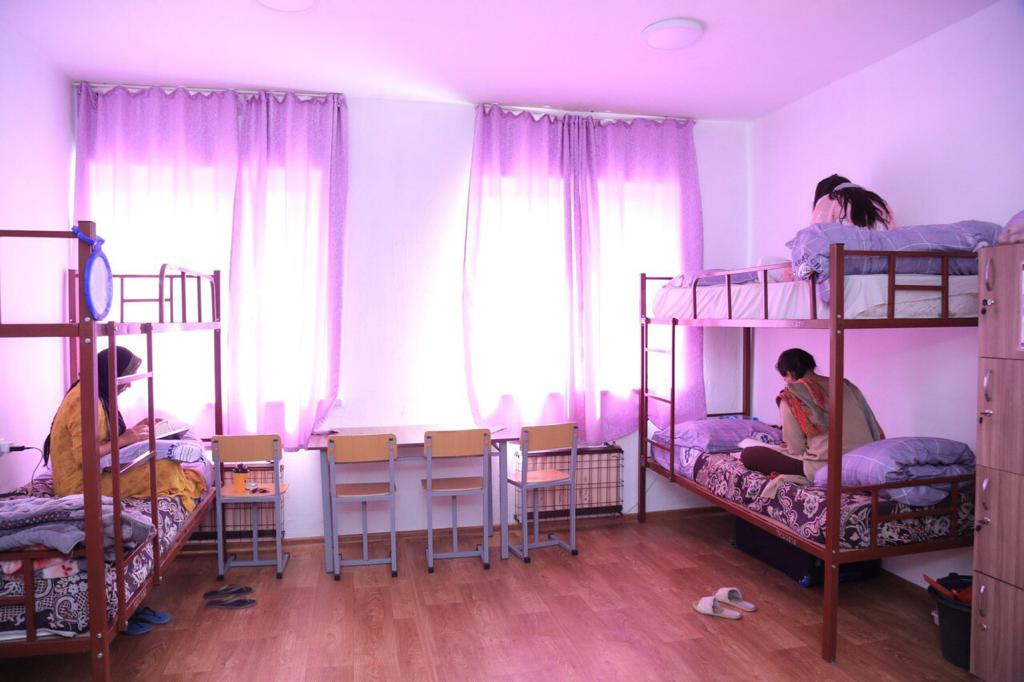
Most Indian students stay in a hostel linked to the university or in private accommodation arranged near the campus. Rooms are usually shared between two to four students. Basic furniture, heating in winter and common areas for cooking or study are standard.
The hostel is where many friendships begin. Seniors often help new students with simple things like where to buy groceries, how to use local transport and how to handle the first exam season. For parents, this support network is often the most comforting part of the setup.
Before you pay for any room, ask exactly what is included: electricity, water, internet, heating and laundry access. Room conditions and rules can change from year to year, so it helps to confirm the latest details when you finalise your admission.
Food: Can Indian Students Eat Well?
This is one of the first questions parents ask, and the answer is yes. Osh has a sizeable Indian student community, and many hostels have an Indian mess that serves roti, rice, dal and sabzi. Vegetarian students can usually manage without trouble. Many students also cook their own meals in group kitchens, since groceries, rice, flour, vegetables and chicken are easy to find locally.
Local food is worth trying too. Dishes like plov, samsa and lagman are popular, and fresh bread is part of almost every meal. Most students mix home-style cooking with local food after a few months.
Weather and Climate
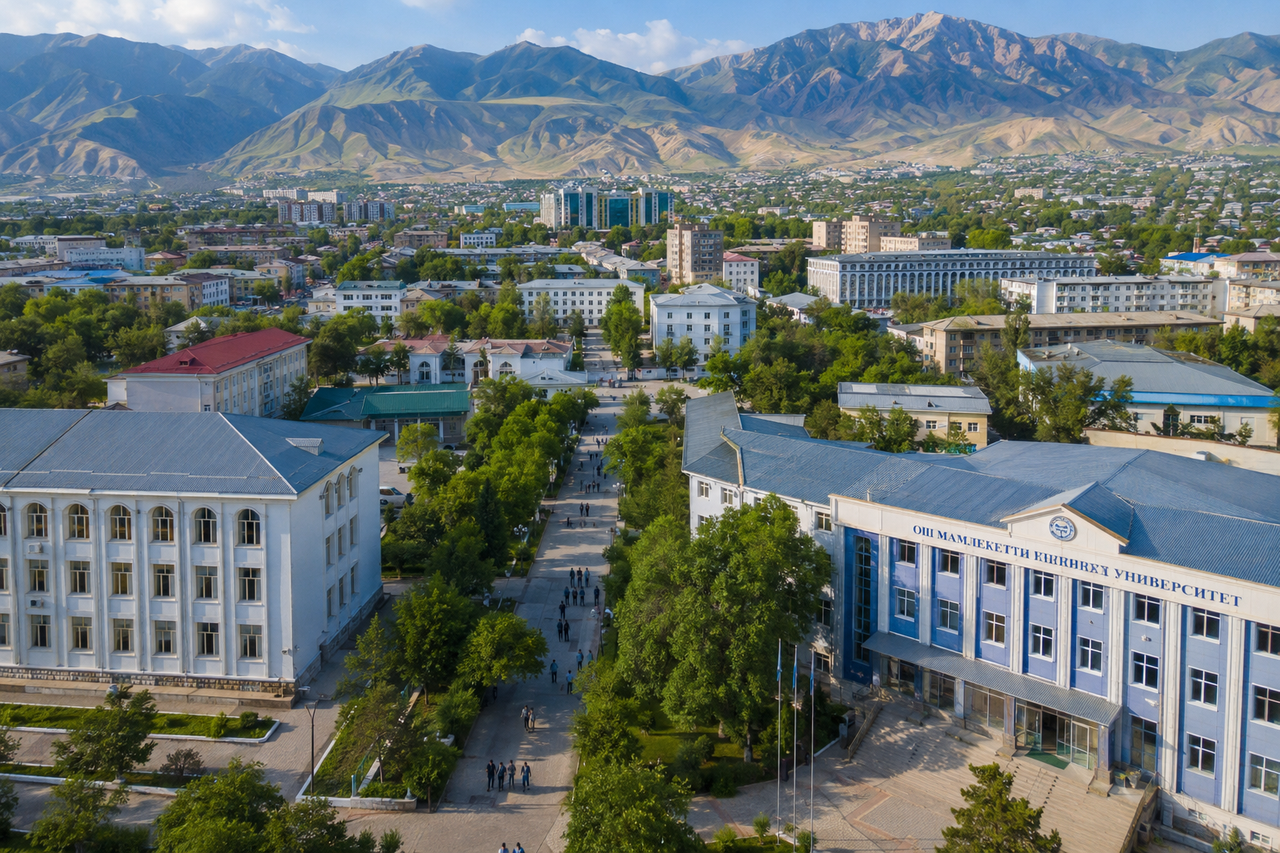
Osh has warm summers and cold winters, but it is milder than the northern parts of Kyrgyzstan. Winters bring snow and low temperatures, so you will need a proper winter jacket, thermals, boots and warm clothes. Indoor heating in hostels and classrooms keeps daily life comfortable.
Students from hot regions of India usually take a few weeks to adjust. Pack accordingly, and buy heavy winter clothes after you arrive if you prefer to select them locally.
Safety and Daily Life
Osh is generally calm and student-friendly. Students move around the city on local buses and minibuses, shop at nearby markets and spend free time at cafes, parks and viewpoints. As in any foreign city, common sense applies: avoid walking alone late at night, keep your documents safe and stay in touch with seniors and your hostel warden.
When it comes to the cost of living, Osh is generally cheaper than many Indian cities. Your monthly spending depends on your food habits, travel and lifestyle, but most students find it manageable.
Social Life and Free Time
MBBS is not all books. Students celebrate Indian festivals such as Diwali, Holi and Independence Day in groups, and seniors often organise welcome events for new batches. There are also sports activities, cultural programmes and weekend trips to the nearby mountains, lakes and local attractions.
One thing worth remembering: Osh is far from home. Homesickness is normal, especially in the first semester and in winter. Regular calls home, a close friend group and a good routine help a lot.
Language: Do You Need to Learn Russian?
Your classes will be in English, so you can start the course without knowing Russian. Daily life is a different matter. Shopkeepers, drivers and hospital patients often speak Russian or Kyrgyz. Learning basic Russian in the first two years makes daily life smoother and helps greatly during clinical rotations.
Returning to India: FMGE and NExT
If you plan to practise in India, you will need to qualify the licensing exam required by the National Medical Commission (NMC) for foreign medical graduates. Currently, this is the FMGE, and the NMC has planned to replace it with the NExT exam. Because exam rules and timelines can change, it is smart to check the latest NMC notice when you are in your third or fourth year. Students who prepare for the licensing exam alongside their regular studies, instead of waiting until the end, usually feel more confident.
Who Is Osh state University Right For?
The university suits students who:
- Have qualified NEET and want a government-recognised medical education abroad at a manageable cost.
- Are comfortable living away from home for several years.
- Can stay disciplined without close parental supervision.
- Are ready to adjust to a new climate, food and culture.
It may not suit students who need a very familiar environment or who are uncomfortable with cold winters and a language barrier outside the classroom.
What About the Cost?
Cost is the first thing most parents ask about, so it helps to know what you are actually paying for. Your total spending usually has four parts:
- Tuition fee: charged every year of the course.
- Accommodation: hostel or private room, depending on what you choose.
- Food and daily living: groceries, mess, local travel and personal expenses.
- One-time costs: visa, flight tickets, medical insurance and documentation.
Fees change from year to year, so ask for a written fee breakup that shows what is included and what is not. Check whether hostel, food and insurance are part of the package or paid separately. A clear breakup before you pay anything saves you from surprises later.
Planning the Admission and Travel

Getting into Osh state University involves several steps: choosing the right university, preparing your documents, applying, getting the admission letter, arranging the visa and planning travel and accommodation. Many families find this part confusing, especially if it is their first time sending a child abroad.
Students who want help with university selection, documents and the admission process can speak with North Western Education Services. The team can explain how admission at Osh state University works, help with paperwork and guide students on accommodation and travel, so that the move is easier to plan.
Frequently Asked Questions
Is Osh state University good for MBBS?
Osh state Medical University is part of a long-established public university with a large international student community and an English-medium MBBS programme. Whether it is right for you depends on your budget, comfort with the environment and long-term plans. Visiting or speaking with current students helps.
How many years is MBBS at Osh state University?
The programme lasts six years, including clinical training and internship.
Is the course taught in English?
Yes, for international students the lectures are in English. Learning basic Russian is still useful for daily life and clinical rotations.
Can Indian students get vegetarian food in Osh?
Yes. Many hostels have Indian mess facilities, and students also cook their own meals. Vegetarian food is easy to arrange.
Is Osh safe for Indian students?
Osh is generally considered calm and student-friendly. Normal precautions apply, such as avoiding late-night travel alone and keeping your documents secure.
Do I need NEET to study MBBS at Osh state University?
Yes. Indian students who want to practise in India after their degree need to qualify NEET before taking admission abroad, as per NMC rules.
What is the weather like in Osh?
Summers are warm and winters are cold with snow. Proper winter clothing is essential, and indoor spaces are heated.
Conclusion
MBBS life at Osh state University is demanding, but it is also a good mix of study, friendships and independence. You will spend your early years in labs and lecture halls, your later years in hospitals, and your free time in a friendly city with a strong Indian student community. If you are disciplined, ready to adjust and clear about your goals, studying at Osh state Medical University can be a solid route to a medical degree.
The best next step is to talk to current students, understand the full admission process and decide with your family. If you need help with that process, you can reach out to North Western Education Services for guidance on admission, documents and travel planning.


